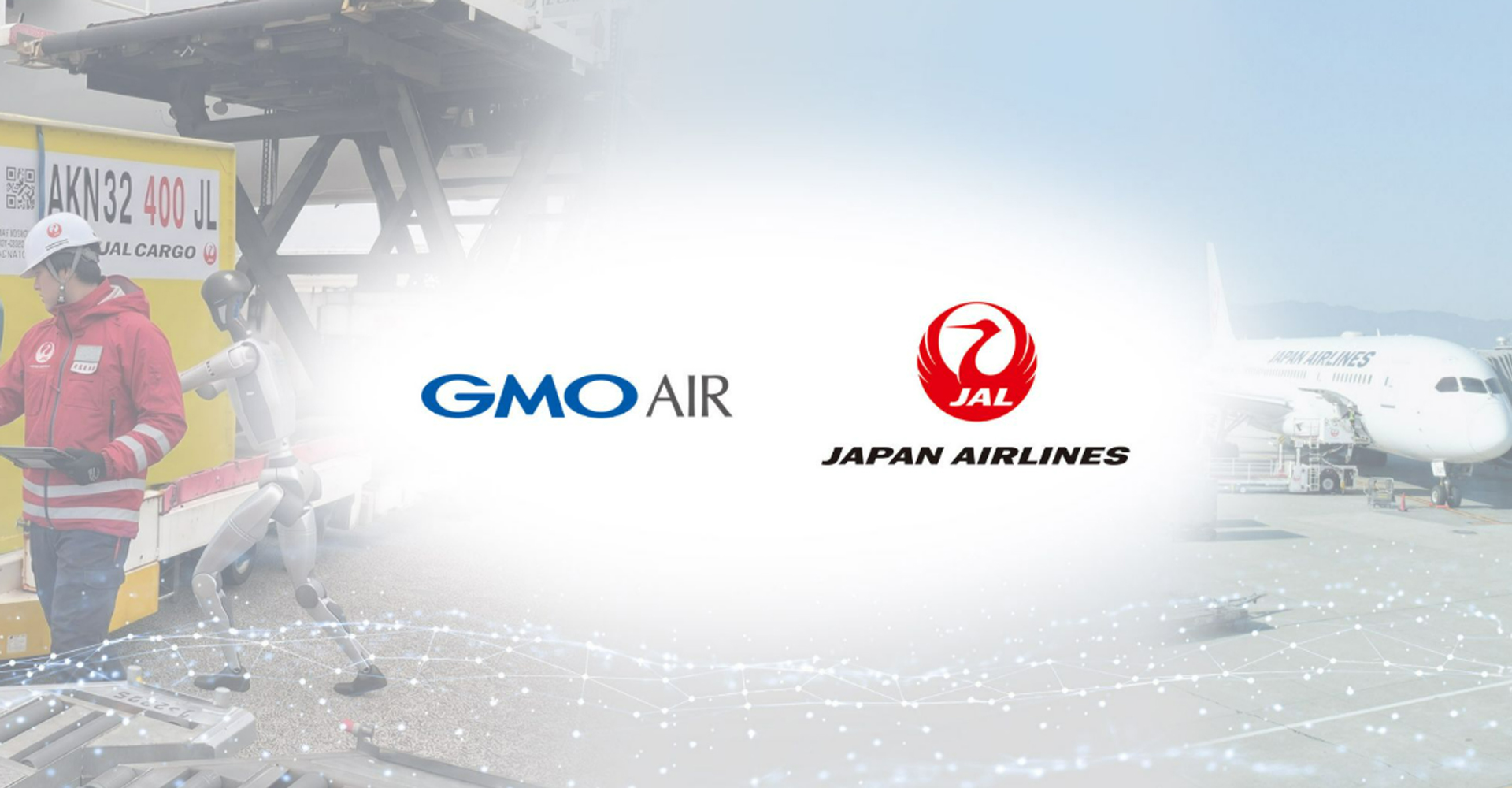
Photo: JAL/GMO AI Robotics/theContrapart
Text: Rune Ollestad
Date: 2 May 2026
Translated from Norwegian with the help of AI · Read the original
Several Chinese airports also use robots in parts of their operations, but the Japanese airport takes it a step further. That said, it must be a little embarrassing for Japan, the old technology giant, that the robots are precisely that – Chinese. The robots are produced by JAL and GMO AI and Robotics in China.
Jobs
For the Japanese, though, hiring the Chinese robots was an easy choice. It is not to put their own population out of work. Quite the opposite. The country is struggling with a labour crisis caused by a rise in inbound tourism. On top of that, Japan is grappling with a shrinking working-age population. That suits the Chinese well. According to JAL, which already employs their robots in almost five thousand jobs, a figure that is rising sharply. When can we expect to see them at Gardermoen Airport outside Oslo?
The future
The Chinese company makes no secret of the fact that its ambitions are much greater. It has already developed other robots to take care of cleaning aircraft cabins and ship cabins. Welcome to the future. Those who fear for their own jobs can, however, rest easy for now: Japan receives more than seven million tourists, a figure that is rising sharply. As a result, more people are actually being hired too.
Popular
Most airport employees appreciate the robots. Not only can they take over heavy work that used to injure the backs of tired staff, but the humanoid helpers can also navigate safely. They are equipped with advanced artificial intelligence and sensors that allow them to move through the chaotic environment on the apron without colliding with aircraft, vehicles or people.
Working together
Traditional automation requires closed systems. The smart robots of the future do not. They work side by side with the existing crew. This shift in ground services is only the beginning of a larger transformation of aviation, where the goal is a seamless integration of machine and human to handle the enormous volumes of baggage.
Unreal
What was only a dream a few years ago is now reality. For what happens when it starts to snow or a strong wind sweeps in across the airport? The Chinese have thought of that too.
The technology is specially adapted to handle unforeseen events such as slippery runways or, for that matter, suitcases of unusual shape. This actually makes them far more flexible than humans.
Top
The Chinese are betting big on humanoid robots. Although factory robots are still the most important, China sees humanoid robots as the greatest growth opportunity for the future. That is perhaps not so strange. Robot hire for weddings and all kinds of events is already extremely popular in China.-
Suzuki
The director of ground services at Japan Airlines, Noriyuki Suzuki, has told Japanese media that he sees this as a necessary modernisation of aviation. He stresses that the aim is for the robots to take the heaviest lifting and the most repetitive tasks, so that their human employees can focus on safety and more complex operations that require human judgement.
Norway next
The success in Tokyo has already sent ripples through the international aviation industry, and management at several European hubs are following the test results from Haneda closely. For operators at Gardermoen and other Scandinavian airports, the challenges of heavy lifting and extreme weather are well known, and robots that are unaffected by cold or snowfall appear a tempting solution in the longer term. Although the costs of purchase and maintenance are for now high, calculations from JAL show that operational reliability and the reduction in strain injuries among employees make the sums add up over time.
Moving fast
The question is no longer whether this technology will spread, but how quickly it will happen. The International Air Transport Association (IATA) has highlighted automation of ground services in its latest reports as one of the most important areas of investment for the next decade. With global passenger growth that looks set to break all previous records, airports depend on technology keeping pace with demand. The robot now swinging suitcases in Tokyo is therefore only the first of many that will soon become a common sight at airports across the globe.