Own gas power plants could be a trap
Climate threats
The Progress Party (Frp), economists and even some environmentalists who hate CO2 emissions see the benefits of eco-friendly Norwegian gas-fired power plants that Norway can control itself. There is just one problem. It is the end user who has to pay the climate bill.
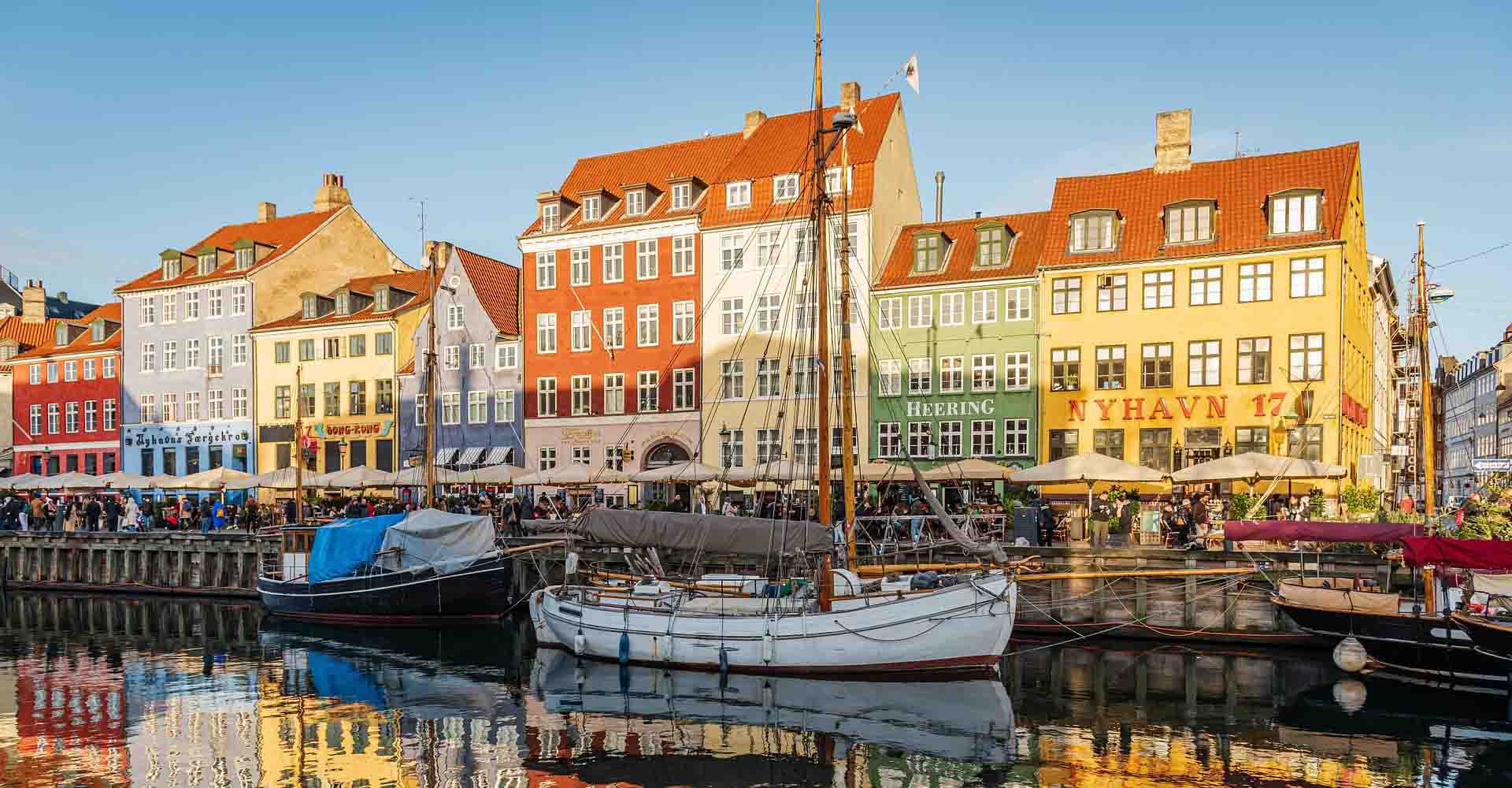
If the Norwegian economists get what you want, you can swap a Norwegian hundred-krone note for a Danish one here in Copenhagen. You can also sell your house in Norway and buy an equivalent one in Denmark or other comparable countries.
TopPhoto: Pixabay/motparten
Text: Atle David Torkildsen
Date: 11 September 2026
Translated from Norwegian with the help of AI · Read the original
Economists and researchers keep arguing that it would be more profitable, more eco-friendly and more morally right for Norway to turn all the gas we sell into electricity. However, there are several pitfalls to avoid before anything like that becomes realistic.
Could prove terribly expensive
Both Norway's own climate targets and international agreements would hit domestic gas processing and process industry hard, while foreign importers escape the emissions burden in the UN national accounts. International climate reporting is based on the production principle set by the UN climate panel (IPCC), where emissions are recorded where the actual combustion takes place.
Trap
Norway does not have to enter the emissions from exported crude oil and natural gas in its own UN-reported climate accounts. The emissions are placed in the accounts of the importing country that burns the energy. When Norway exports natural gas to Germany or the United Kingdom, they have to take the climate share themselves. If Norway uses the gas locally for industry or power production, and also exports the finished product, the entire emission from gas combustion ends up in the Norwegian accounts, says emissions analyst Lars-Henrik Paarup Michelsen of the Norwegian Climate Foundation.
Modern Norwegian gas-fired power plants would have lower emissions than older European power plants. Now many want to reverse the flow of electricity in the cables between Norwegian platforms and the mainland. It would pay off. The problem is that Norway cannot refuse to pay climate charges.
Skeleton in the cupboard
This means that Norwegian industrial processing of its own natural resources immediately leaves a blemish in Norway's national climate accounts, even though the global climate effect may be positive. Michael Hoel, professor emeritus of environmental economics at the University of Oslo, warns that Norway-specific restrictions on domestic energy production could worsen global emissions. This contrasts with those who point out that modern gas power plants in Norway would emit less greenhouse gas. Hoel does not dispute this, but points to unknown consequences that supporters of gas power plants may not have thought of.
Regrettable consequence
“Norwegian processing can, even with better gas power plants, lead to carbon leakage. It sounds absurd, but when even when Europe suddenly has to buy expensive electricity from Norway instead of making money on Norwegian gas, something odd happens. Hoel explains what. When Norway sells electricity at market price and takes the profit European gas power plants used to get, it will become more profitable to pump coal power into the high-voltage grid. Even though this is not Norway's fault, it may mean that the argument that modern Norwegian gas power plants will give lower total European emissions no longer holds water.
Main pageWithout the climate charges, electricity could be made from gas in Norway at the same price as hydropower. That is, 10-15 øre per kilowatt.
Matches reality
Hoel points to analyses from Statistics Norway (SSB), in which reports show that countries that import unrefined Norwegian natural gas to replace their own coal power are credited with the emissions reduction in their own territorial accounts, while at the same time bearing the formal responsibility for emissions under the UN reporting system. The case would look different if they imported expensive Norwegian electricity via cables.
Free rein
In any case, Norway has the right to do as Norway pleases. The right to manage natural resources is anchored in international agreements, including UN General Assembly Resolution 1803 of 1962 on states' permanent sovereignty over natural resources. This legal framework is supplemented by the UN Convention on the Law of the Sea (UNCLOS), which ensures that coastal states have exclusive sovereign rights to explore and exploit resources on their own continental shelf.
The Lord works in mysterious ways
In its surveys of the Norwegian shelf, the Petroleum Safety Authority Norway has established that extraction and infrastructure on the Norwegian continental shelf are run with significantly lower production emissions than the global average for oil and gas producers abroad. On paper, in other words, it looks good, but if the consequence of Norwegian gas power plants is more coal in the European grid, we are no further forward, but with a negative climate balance for Norway.
Some fear that Europe will put even more coal in the grid if Norway sells electricity.
Such is life
Any further processing or electrification based on gas power on Norwegian soil will increase Norway's official UN emissions, regardless of whether the end product replaces more polluting alternatives in other countries. The Norwegian Environment Agency's annual overviews of Norwegian emission sources show that emissions from industry, mining and oil extraction make up the largest single share of the territorial emissions reported under the Paris Agreement.
Emissions from fossil power production are covered by the EU Emissions Trading System (EU ETS), by which Norway is bound through the EEA Agreement.
Unfair punishment
Petter Osmundsen, professor of petroleum economics at the University of Stavanger (UiS), has for many years pointed to the socio-economic paradox that Norwegian climate targets can punish domestic industry and gas processing at the source, even though Norwegian gas power could potentially replace far more polluting energy sources in Europe.
MOTPARTEN
The other side of the story. An independent newspaper from Norway.
Contact
- Newsroomredaksjon@motparten.no
- Advertisingannonser@motparten.no
- General enquiriespost@motparten.no
Address
Motparten.noElevine Heedes vei 2
4839 Arendal
Norway Editor-in-chiefJesper Enerstvedt