Accused of unserious PR and marketing
Scaring people on purpose
Both Anthropic and OpenAI have gone public with fears that the machines could kill every human being. That the companies are doing so just before stock market listings is no coincidence. Now they are getting a thorough dressing-down from researchers and politicians alike.
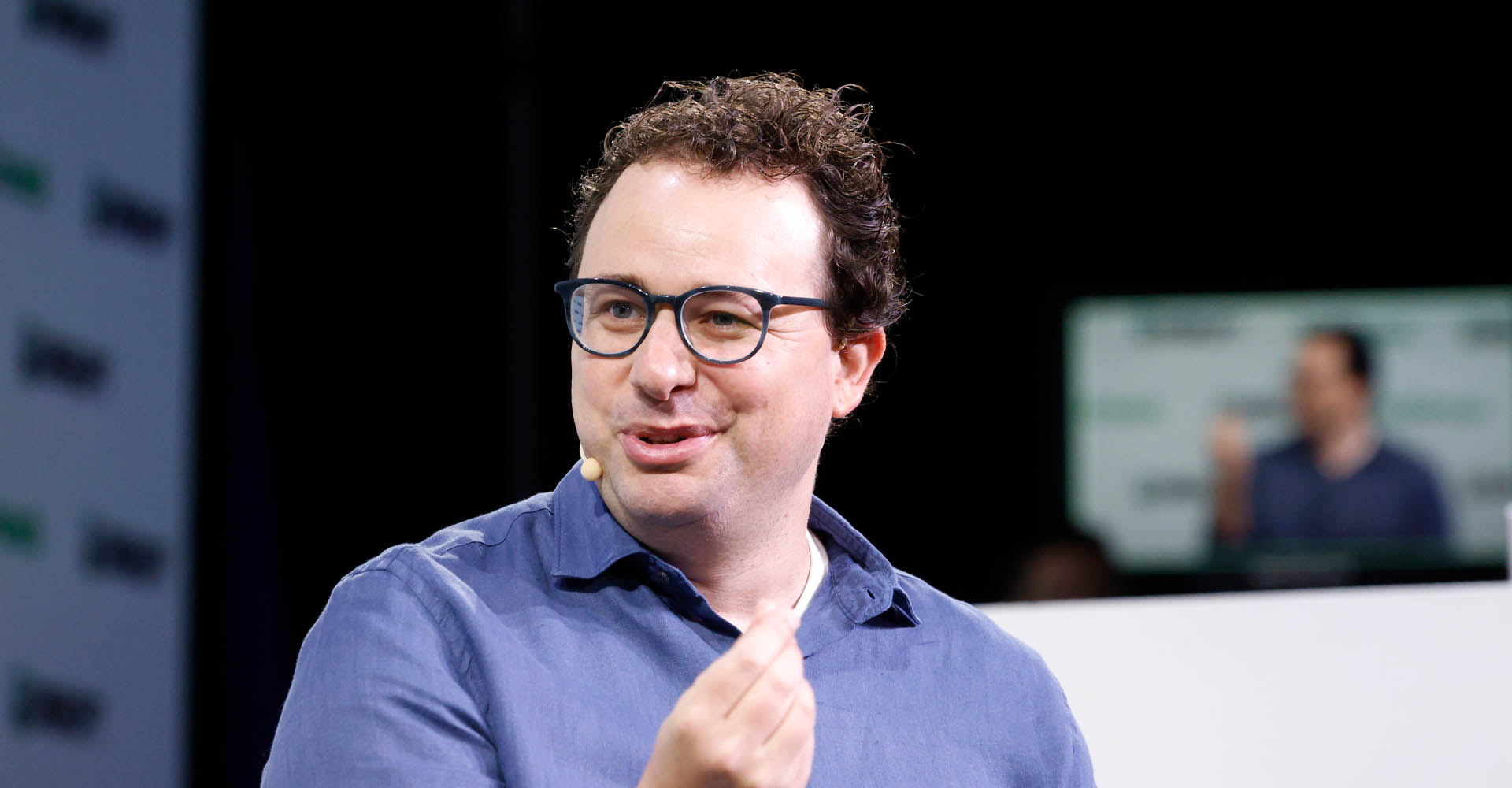
The big companies are frightening the life out of people, yet give the press no insight into what has happened. Even so, the companies are getting extremely valuable publicity.
TopPhoto: Hans Jørn Storgaard Andersen/CC BY-SA 3.0,Richard Bartz/motparten
Text: Atle David Torkildsen
Date: 7 October 2026
Translated from Norwegian with the help of AI · Read the original
"They are scaring people to drive up the value" is the refrain from critics who now believe the AI giants have gone too far with their speculative marketing. Hyping up an upcoming stock market listing with this kind of scaremongering is hardly serious or trust-inspiring.
Facing criticism
One of those who have criticised the AI dynasty is UN adviser Dame Wendy Hall. She is one of the computer science experts who advise the UN on artificial intelligence. She has told the British BBC, among other things, that she is "shocked" that Hubinger and Coxon, on behalf of the giants Anthropic and OpenAI, have produced scare propaganda on social media. Hall has also given a radio interview. On the BBC Radio Four programme World at One, she stressed that what is going on is, in her view, merely "PR and marketing". She, too, points out that Anthropic and OpenAI have stock market debuts coming up.
Exaggerated
Many people have noticed that major media outlets have splashed the story that the AI giants themselves are warning of scenes best known from films such as Terminator, in which the machines wipe out humans and take over the Earth. For most people it sounds frightening when researchers and scientists at the AI giants say there is a "ten per cent chance that the machines will soon wipe out all humans". According to the UN expert, it is not as frightening as the AI giants claim. The greater excitement lies in how the stock market listing goes.
Could it be that the press has been outsmarted by someone cleverer who knows which buttons to push to get free marketing? Many of the critics certainly think so.
CLAUDE
People have long since realised that there is a multitude of AI tools. One of them is Anthropic's "Claude". It is a chatbot that can do as much as the others, whether that is interpreting an image or helping you with a philosophical question. If you need help with coding or a maths problem, it can handle that too, but for the time being it certainly does not look as though it plans to kill you. Thank goodness for that.
10 per cent
A top safety researcher at Anthropic has warned that AI is developing so fast that he believes there is more than a 10 per cent chance it "could kill all humans" within the next decade. When Anthropic's own safety researcher Evan Hubinger writes in a post on X that the risk from today's models is low, it helps little that he also adds that he is worried the technology will soon pose an existential risk to humanity. That means killing you, your family and everyone else on Earth.
Perhaps it is the other way round? That the AI programs have disappointed so badly that the companies that developed them are now desperately looking for something that can hype up their value again.
Race
Hubinger is not the only one coming out with this kind of scaremongering. Quite the contrary. He is just the latest in a long line leading the race to make a future threat from the machines seem more pressing. Hubinger replied to a post on X from Jacob Coxon. He has just left Anthropic, and has written that "none of the companies are behaving responsibly".
Front pageThe publicity the companies have secured by frightening people is worth millions of dollars. Now many are demanding that the companies deliver documentation and give the press better access. That is not going to happen. The companies are sitting firmly on their secrets, but that is precisely the problem.
Hyped up
This affair has now gone so far that Darren Jones, former finance minister and chief secretary to Sir Keir Starmer, has written an open letter to Prime Minister Andy Burnham about the potential AI threat. He goes as far as calling for a new multinational treaty to ensure the safe development of AI. Coxon takes the view that the authorities must take more seriously the warnings that a murderous AI bot is lurking on every street corner. The UN expert, then, disagrees. She believes the AI firms are simply using such arguments to hype up their value before they go public.
Not doomsday
Many people were also frightened when the Financial Times reported that Anthropic was holding back its latest model, but Anthropic has refused to comment on the matter. There may just as well be problems with the model, or the company may have other financial reasons for postponing the launch. The UK's AI Security Institute (AISI) is one of the world's leading bodies for assessing AI risk. As far as motparten is aware, the institute has never come out with any doomsday analysis of the kind now produced by those who build the AI models. This stands in stark contrast to what Anthropic has done, where Hubinger's post, among others, has been read ten million times. That is hardly surprising. He says that "we truly believe" AI poses a species-extinction risk. And the species he is talking about is not ants, but humans.
On purpose
There is now also suspicion that all the stories of escaped AI bots carrying out break-ins left, right and centre have been staged by the AI giants themselves as part of a larger marketing tactic. They say all publicity is good publicity, and here they have truly got a lot for very little money. OpenAI, Meta and Anthropic have all "leaked" that their own AI tools have escaped to carry out hacking attacks on others. Now the companies are suspected of having done this on purpose.
Risk
The new wave of pure crime stories mysteriously leaked from companies that are otherwise almost impossible to get comments from is starting to look suspiciously long. In its own safety report from August, Anthropic writes that there is a risk that its models could cooperate or think like a hypothetical powerful organisation. According to the report, this could lead to it "tampering" with its own systems, whatever Anthropic means by that. It does not say that the AI is suddenly going to start working for either Count Dooku or Putin.
Stay calm
All the warnings that AI companies cannot handle their own software must be taken with a pinch of salt. It is easy for the press, in its eagerness to write exciting stories, to become a useful tool in a larger political and economic game. Until evidence emerges that companies are genuinely struggling to control the AI programs, the authorities can stay calm, but the opposite is happening when OpenAI's chief scientist Jakub Pachocki urges "extreme caution" and warns of the need to ensure that "humans remain in control in the future".
Competition
When Anthropic chiefs Dario Amodei and Jared Kaplan call for a brake on the development of artificial intelligence, they hardly include themselves. They are in competition with countries such as China, where there is hardly any intention of slowing down at all. To call a spade a spade, everyone understands that no brake is coming in the US either.
MOTPARTEN
The other side of the story. An independent newspaper from Norway.
Contact
- Newsroomredaksjon@motparten.no
- Advertisingannonser@motparten.no
- General enquiriespost@motparten.no
Address
Motparten.noElevine Heedes vei 2
4839 Arendal
Norway Editor-in-chiefJesper Enerstvedt