Researchers do not fear the Russian plague
Plague fear was media-made
International media gave huge coverage to the death of the Russian researcher Darya Shipilova after she had worked with plague virus in Siberia. It created global fear of a new and more dangerous pandemic. In a speculative way, the newspapers linked the death to the "Black Death".
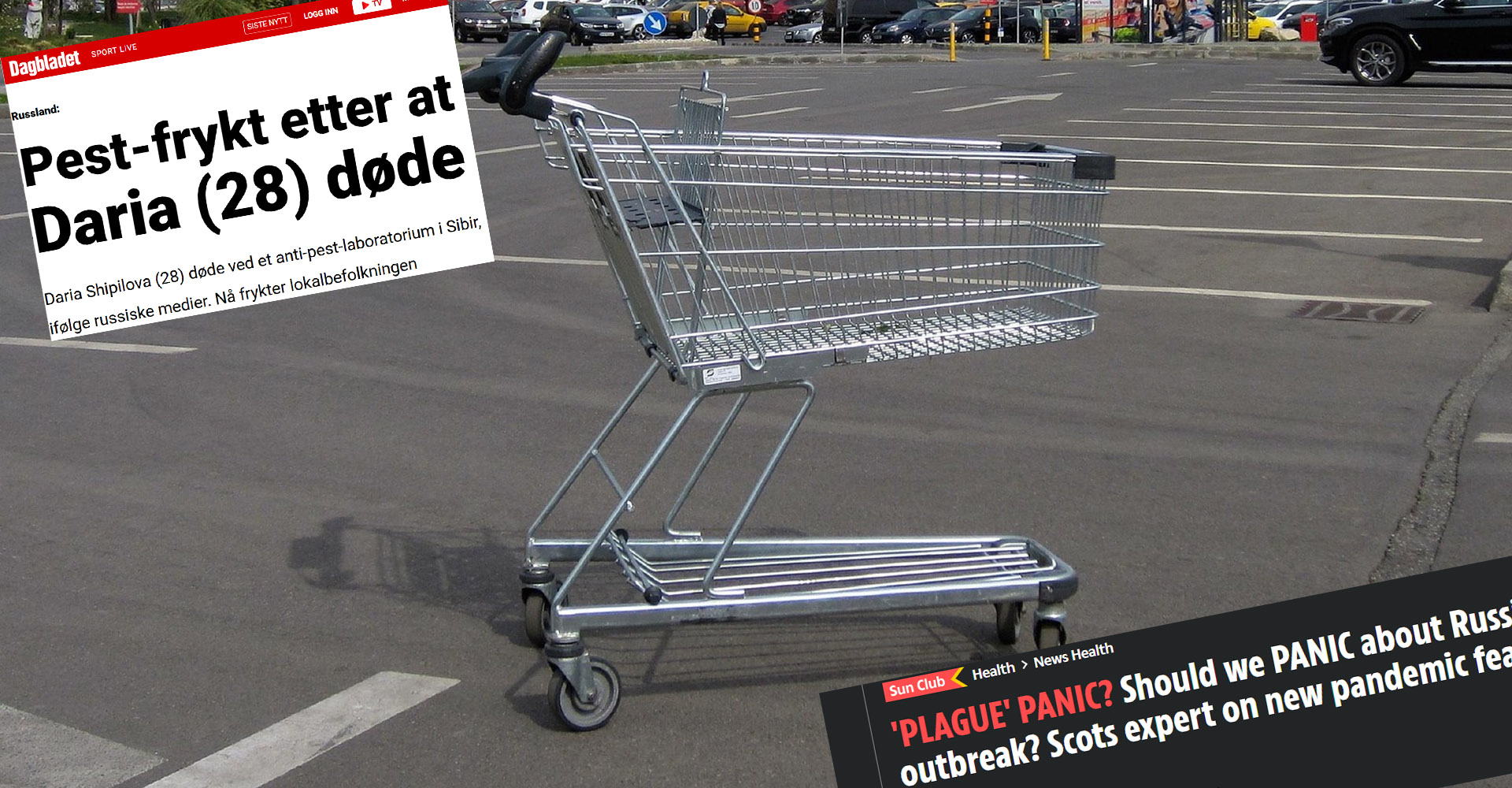
Both Norwegian and foreign newspapers gave in to the temptation to create associations with pandemic, lockdown and potential mass death.
TopPhoto: pixabay/faksimile/desken/motparten
Text: Elisabeth Dahlberg
Date: 16 October 2026
Translated from Norwegian with the help of AI · Read the original
Most of the media "forgot" to stress that the plague bacteria are not dangerous to people at all. The big headlines were about plague, the Black Death and pandemic. But the Black Death was not a virus. It was a bacterium that today we would easily kill with antibiotics.
Many are anxious
Most people associate the plague of the Black Death with some of the scariest things that have ever happened on this planet. People link the Black Death with a global pandemic that wiped out millions of people. It is therefore no wonder that the combination of "plague", "virus" and "dead researcher" created fear in many anxious people. The newspapers are very well aware that many people, especially groups with fewer resources, only read the headlines and perhaps skim the intro. Deliberately creating fear in order to sell more newspapers is speculative.
Groundless fear
The World Health Organization (WHO) stated on 10 October 2026 that the Russian authorities had reported negative tests for plague bacteria in the deceased woman. The official explanation was ordinary pneumonia. But even if it had in fact been plague that killed the woman, there would have been no grounds for creating fear among the population. Today the Black Death would be classified neither as dangerous nor trigger any pandemic alert. Several international media nevertheless linked the death of the Russian researcher Darya Shipilova to the Black Death, pandemic and death.
International media
On 5 October Al Jazeera covered the case under the headline "Russian lab worker dies of suspected plague in Siberia; US monitoring case". CBS used the wording "What to know about plague amid reports of Russian lab worker's death". Nature served people the title "Plague scare: what scientists know, and what Russia won’t say". Newspapers such as The Scottish Sun went even further. They chose the headline "Should we PANIC about Russian 'plague' outbreak?". They tied it to fear of a new pandemic and the Black Death, but were smart enough not to write the word "virus".
Norwegian media
On 4 October Dagbladet published the headline "Fears plague in Russia: This is what we know". People who read the article would discover that the paper stated in the article that the woman died of pneumonia of unknown cause, but the suspicion of plague was mentioned. On 6 October VG published "Russian plague fear spreads: This is what the experts say". The article linked the death to the Black Death and described an imagined scenario in which a laboratory accident could trigger a global plague catastrophe. In the same article VG stressed that there was no evidence of a laboratory accident, and explained that plague is caused by a bacterium. This does not, however, absolve the paper from having jumped on the "plague" and "Black Death" bandwagon, where newspapers speculated that many people believe the Black Death was an unstoppable and highly lethal virus. It is the link between a dead researcher, plague and pandemic that is unfortunate.
Home pageBad news sells best. Everyone who has worked at a newspaper knows that. But in the story of a completely harmless bacterium, the media's hunger for sales was excessive. The very same plague that the Russian researcher worked with is found in many places around the globe, and is well known.
Dangerous before
Before good antibiotics were found, the Black Death was extremely deadly. That is why today's history books tell of a pandemic that raged in Europe from 1346 to 1353. It is estimated that perhaps as much as sixty per cent of the population died. Globally we are also talking about around two hundred million people in total in Eurasia and North Africa. The plague came to Norway too. In Norway the death rate was extremely high. It is estimated that about half to two thirds of Norway's population died. The disease is caused by the bacterium Yersinia pestis. It is transmitted to humans through bites from infected fleas. The plague mainly took the form of bubonic plague, but could also spread to the lungs or the bloodstream. Because plague is caused by a bacterium and not a virus, it can be treated effectively with antibiotics.
Easy to cure
Penicillin is not normally the first choice against Yersinia pestis, but modern antibiotics such as doxycycline, streptomycin, gentamicin or ciprofloxacin are highly effective if given early in the course of the disease. With our present knowledge of hygiene, pest control, isolation and infection control, an epidemic anywhere near what was seen in the 14th century would be out of the question. Yersinia pestis still exists in nature among wild rodents in some parts of the world. In Madagascar and parts of Central Asia, and even in the south-western USA, the plague is alive and well. A few human cases occur in the world every year, but most people recover with the help of rapid antibiotic treatment.
Anyone can dig up the real plague that killed millions of people, but then you must make sure to bring some perfectly ordinary antibiotics. If you take them, the original Black Death is harmless.
Anti-plague
Darya Shipilova worked at the Anti-Plague Institute in the Irkutsk region in Siberia. The reason it is called "anti-plague" is what we are writing about in today's paper. It is well known that plague exists in nature, also in countries such as the USA. That is why the authorities have laboratories that monitor it. It is therefore in itself not particularly exciting that the woman had been on an expedition to the Buryatia region on the border with Mongolia, where plague is endemic among wild animals, just as in the south-western USA.
Anti-Russian
Norwegian media houses knew that people are infected with real plague every single year globally, without focusing on this, or toning down the story. They deliberately linked the case to pandemics and the Black Death. No editor will admit that it is the war in Ukraine and the general anti-Russian climate that has influenced their "objective" journalism. It is up to the readers to judge whether this has happened.
MOTPARTEN
The other side of the story. An independent newspaper from Norway.
Contact
- Newsroomredaksjon@motparten.no
- Advertisingannonser@motparten.no
- General enquiriespost@motparten.no
Address
Motparten.noElevine Heedes vei 2
4839 Arendal
Norway Editor-in-chiefJesper Enerstvedt