No one is listening to the civilians in Kursk
Searching for relatives
Russian families complain that neither the Russian nor the Ukrainian authorities are doing enough for the civilians hit by the war. Many have been killed or arrested by Ukrainian military units. Figures for the number of missing vary widely.
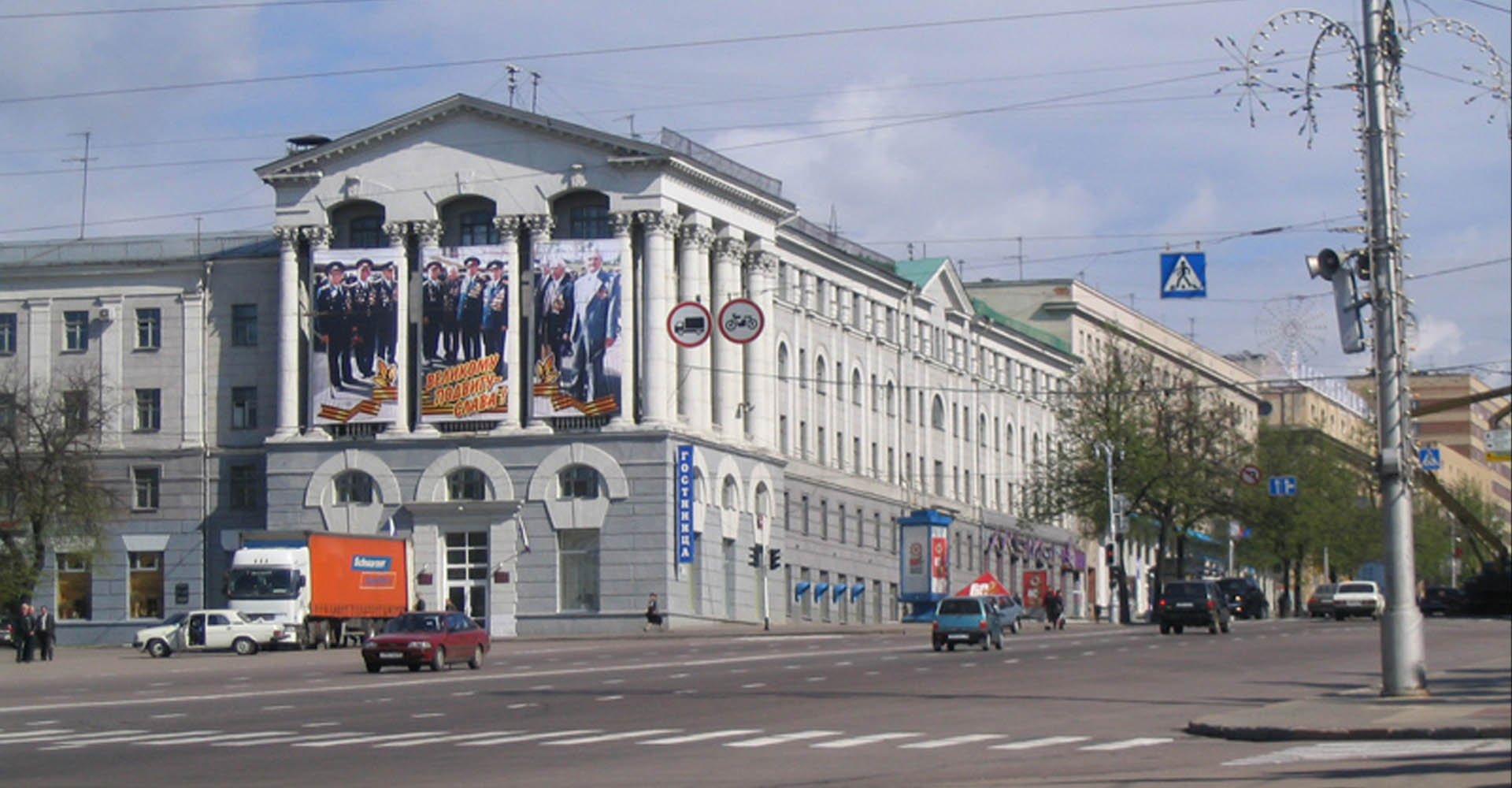
Not many care about those of us who live here in Kursk.
TopPhoto: Loyna/CC BY-SA 2.5/SSR/motparten
Text: Atle David Torkildsen
Date: 13 October 2026
Translated from Norwegian with the help of AI · Read the original
It is now more than two years since Ukrainian forces attacked Russia's Kursk region. Russia eventually managed to retake the area, but more than three hundred Russian civilians are still missing in the Kursk region. The real figure is probably much higher. Experience from other wars around the world shows that such information is only properly mapped several years after the fighting has ended, if it is ever mapped at all.
Many stayed behind
When Ukraine attacked Russia, more than two thousand Russians were left behind in settlements captured by the Ukrainian military. These are preliminary figures from the Russian authorities. Today the authorities face heavy criticism inside Russia because the state channels said everything was under control when it was not. Many therefore chose not to flee.
Attacked Russia
In a lightning attack, Ukraine captured roughly 777 square kilometres of Russian territory. Some call the operation a chess move to divert Russian forces. Others believe the plan failed because Ukraine used too many of its own resources and overestimated the Russian response, which was almost non-existent at the start.
War is always cruel and unjust to the civilian population. Innocent people have been killed on both sides of the front in every war since time immemorial. For civilians, it matters little who is in the right. Wars are full of elderly couples who just want to walk the dog or buy a carton of kefir when a bomb lands on their heads.
The internet went down
For the Russian civilians in the area, it was a few dramatic months until the Russian army got its act together and regained the territory. For example, both the mobile and internet connections disappeared. That made it impossible to stay in touch with the outside world. Many elderly people in particular suffered under this new isolation. Many lacked both help and care, and were unable to buy food and drink.
Home pageIt is important that the world also listens to the relatives on the Russian side of the bloody conflict in Ukraine.
War crimes
Both during and after Ukraine's attack, Russia's foreign ministry accused Ukraine of war crimes against civilians. The allegations were rejected in Kyiv as completely baseless, but the BBC recently ran a series of interviews with Russians in the Kursk region. Among others, they interviewed a woman who was searching for her elderly mother, born in 1949. When the daughter visited the morgue, an official turned a laptop around and showed her a picture. It showed her mother lying dead in a street. According to the BBC, the woman recognised her mother immediately by her clothes.
Wrote a letter
While the area was occupied by Ukraine, a group of Russians wrote a letter to Ukraine's president Volodymyr Zelenskyj. The same letter was also sent to Russia's president Vladimir Putin and to the UN. The Russian civilians asked the leaders and the UN to organise a humanitarian corridor to evacuate civilians. Naturally, that did not happen. The civilians were therefore still there when the Russians retook the area and the war returned for a second time.
Found her mother dead
The woman who found her mother in a picture, lying dead in the street, later wrote a letter to the Red Cross and Kursk's interior ministry. According to the BBC, she never received a reply. In 2025, Russia's commissioner for human rights finally published a list of 517 missing people. It was heavily criticised because it mixed up those who were searching with those who were missing. Russia's emergency service stated in April 2025 that contact had been restored with more than 2,200 people. Relatives had estimated that as many as 3,000 people were stuck in the areas.
Pointless meetings
Since then, regional officials have tried to solve the problems by holding meetings with those searching for missing people, but such meetings can achieve little. In war most things are chaos, and the authorities on both sides give this kind of work low priority. The British news channel did not get an answer to any of its questions either when it asked the Kursk governor for comment. The BBC also asked the Russian Red Cross for comment and received no reply there either.
MOTPARTEN
The other side of the story. An independent newspaper from Norway.
Contact
- Newsroomredaksjon@motparten.no
- Advertisingannonser@motparten.no
- General enquiriespost@motparten.no
Address
Motparten.noElevine Heedes vei 2
4839 Arendal
Norway Editor-in-chiefJesper Enerstvedt