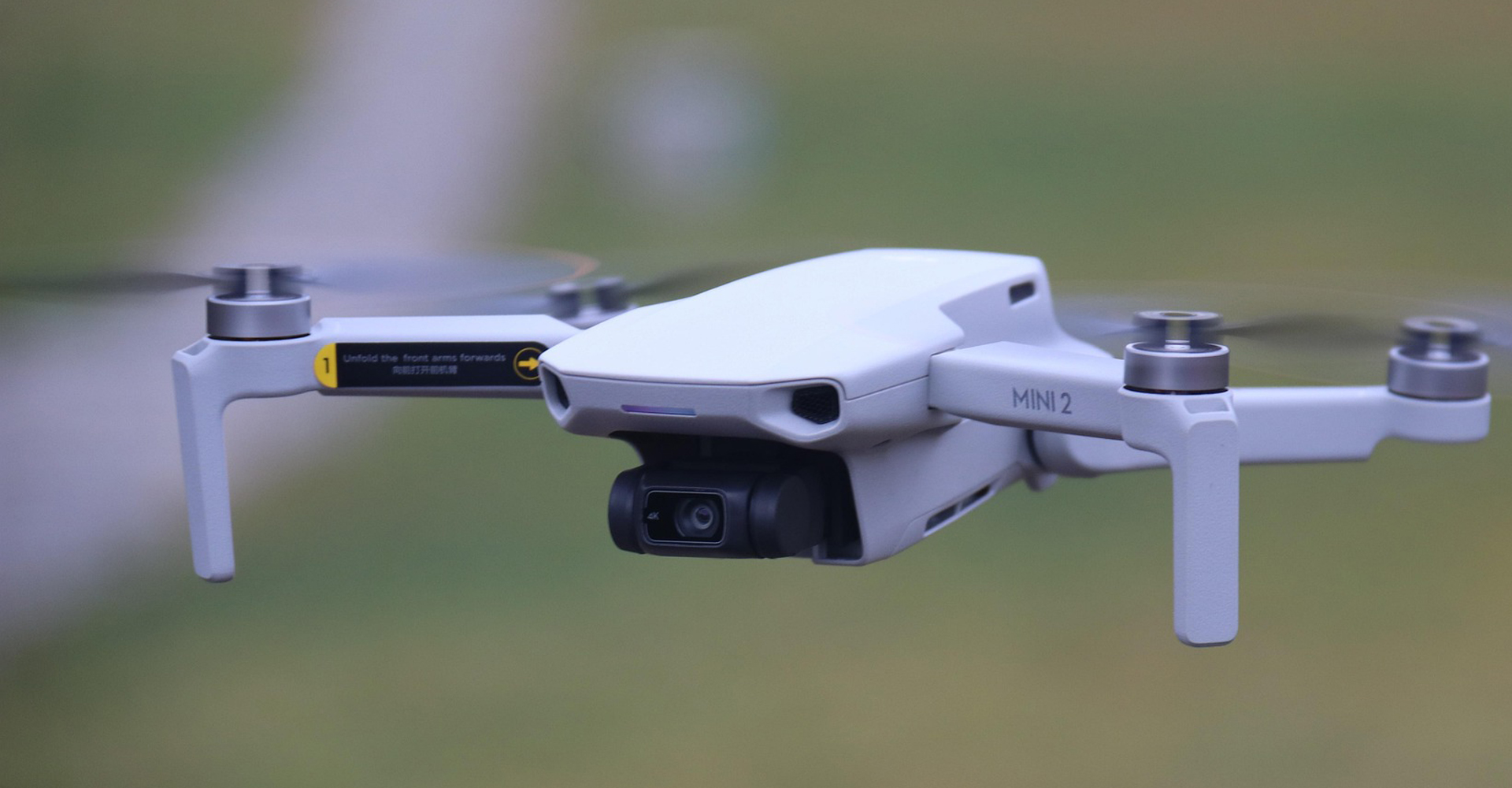
Photo: Pixabay/theContrapart
Text: Stein Olav Krosby
Date: 21 July 2026
Translated from Norwegian with the help of AI · Read the original
Beneath the surface of the bombastic press releases lies a far more pragmatic and cynical reality. It turns out that the Western defence industry lacks the physical capacity to deliver the volumes required. To keep the supply lines running, Brussels has to disregard its own moral rhetoric completely. They are importing from China!
Circumventing sanctions rules
Documentation recently revealed by the financial paper Financial Times shows that the EU has now given the green light for billions of taxpayers' money from the union's crisis loans to be used to procure critical Chinese drone components via front men in countries such as Malaysia, Indonesia and Thailand. To avoid criticism, an intricate logistics system has been devised. China does not export the components directly to the war zone. Instead, microelectronics, motors and carbon-fibre components are sent to countries such as Malaysia and Thailand before ending up in assembly plants in Europe.
Train to Kyiv
Once the drone parts have been screwed together, they are sent by train to Kyiv, where a Ukrainian name and sticker are put on them. What is in reality Chinese mass production is presented to the public as a Western defence success. Besides being underhanded and false, it also violates the EU's own rules.
All the packaging and instruction manuals are in Chinese because the parts are made in China. Simply producing a paper trail via front men is a new low, even for corrupt EU politicians.
Double standards
The Financial Times points out that the arrangement completely undermines the EU's own laws and punitive measures against China. It is no secret that the European Commission has sanctions packages against China. Some of these are about being angry with China because the country sells drone parts to Russia. Now the EU wants to use its own financial support packages to buy exactly the same components. Several of the supply lines involve Chinese factories that the EU itself has put on its official sanctions lists. Here the goods go via a front man in, for example, Malaysia.
Top
The revelations from major European media outlets have already been dubbed "drone-gate".
German media
German media such as Der Spiegel have also made a big splash of the drone imports from China. While public opinion is fed fear of Chinese technology, the cheques to the very same Chinese suppliers are signed in secret. The sanctions thus look more like financial paper promises than real blockades.
Russia complains
It is well documented that the Russian military and Vladimir Putin have raised the drone exports via Malaysia directly with Xi Jinping. They are frustrated that Chinese parts are damaging Russian infrastructure. In its own defence, China says it cannot control resales from third countries, and points to the need to maintain employment in its own technology-heavy regions. So China sells to both sides in this dirty war, but both Russians and Ukrainians put their own stickers on the drones.
Pattern
The drone affair fits into a pattern in which national self-interest and physical infrastructure tear the EU's moral unity to shreds. We see the same thing playing out in Brussels during the negotiations on the 21st sanctions package against Russia, where Greece has put its foot down and blocked the entire package to protect its own shipping giants. Greek shipowners own a large share of the purpose-built Arc7 ice-breaking LNG tankers that carry liquefied natural gas from Russian Arctic projects, and Athens refuses to shoot its own shipping industry in the foot to satisfy the Commission's rhetoric.
Hungary
Hungary has already got its way. Now Ukrainians must maintain Russian pipelines that run through the country to Hungary. Otherwise Hungary would not have signed off on the latest gigantic support package. The worst thing for the EU, however, is that absolutely everything is getting more expensive. Not only because of permanently high energy prices, but because businesses are fleeing headlong. There will be less tax revenue, less flow of raw materials, and it feeds a huge problem in Europe. Even if there were a hundred times as many profitable wind turbines, the power could not be fed into the grid, because it would then collapse on days with little wind. Europe's power grid is as dependent on fossil fuel supplies and nuclear power as Ukraine is on Chinese drones.
Home page