Super-economists criticise the government
Calls for payment in kroner
Several Norwegian finance figures are urging Europe to pay for Norwegian fish and gas in kroner. This would make foreign travel cheaper for Norwegians and mean people could once again sell a Norwegian flat and get the equivalent in neighbouring countries such as Denmark.
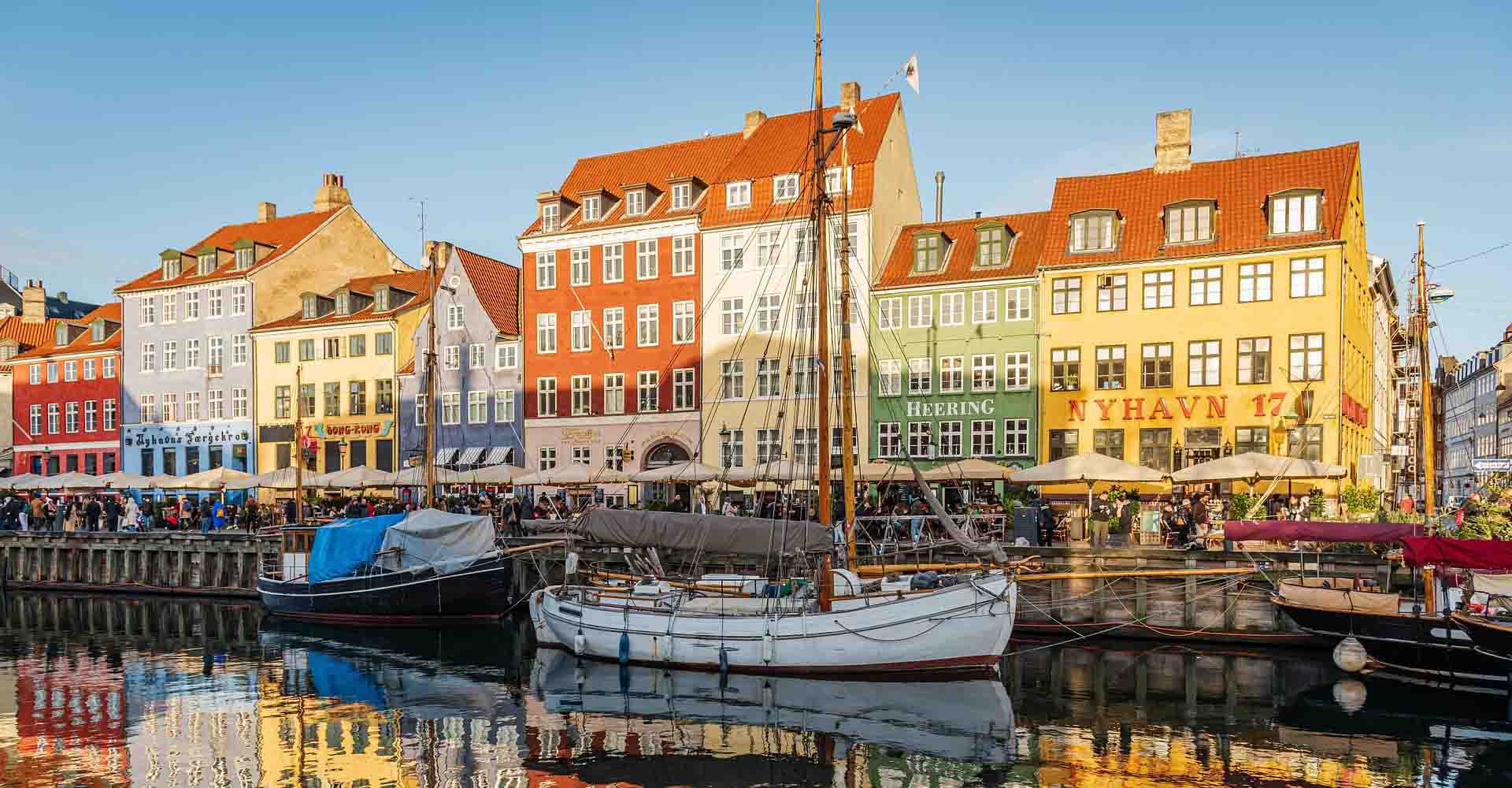
If the Norwegian economists get their way, you will be able to swap a Norwegian 100-krone note for a Danish one here in Copenhagen. You will also be able to sell your house in Norway and buy an equivalent one in Denmark or other comparable countries.
TopPhoto: Pixabay/motparten
Text: Stein Olav Krosby
Date:
Translated from Norwegian with the help of AI · Read the original
The Norwegian authorities could require all exports of natural gas, electricity and seafood to the EU to be settled in Norwegian kroner in order to strengthen the krone. This would shield Norwegian households from imported price rises. This emerges from several contributions by well-known Norwegian economists in recent years. They call for countermeasures to secure Norway a larger trade surplus on commodity deliveries to Europe.
Furious with the government
Jan Ludvig Andreassen, chief economist at Eika Gruppen, has been the most prominent critic of the prevailing currency policy. He has repeatedly argued that Norges Bank and the state are in practice inflicting a weakening of the krone on themselves. He points out that while we export enormous values in energy, our system means the money is channelled straight past the Norwegian currency market. He has therefore called for a radical overhaul of how the nation's commodity revenues are managed, in order to defend the exchange rate of the krone and purchasing power. Indirectly, the economist is furious with the government, which sets clear mandates for how Norges Bank is to operate.
Norwegian passivity
Finance veteran and investor Peter Warren has also spent many years shedding light on the mechanics behind the “petro-krone” and the currency flows. After 2022 he pointed out how remarkable it was that Russia managed to force European buyers to settle in its own currency, namely roubles for gas, with an immediate strengthening of the exchange rate as a result, while Norway, the world's most stable energy nation, passively accepts settlement in foreign currency and lets Norges Bank sell billions of kroner every day.
The negative consequences are that some exporting companies will struggle, it will become more expensive for tourists to visit Norway, and politicians will get a figure for the Oil Fund only half as big, even though its value is the same. Neither property in London nor American shares will fall in value, but it will become harder to hand out money from a fund that is suddenly just ten trillion instead of twenty.
Well documented
The currency strategists at Nordea and DNB Markets, Dane Cekov and Ole Håkon Eek-Nielsen, pointed to exactly the same thing. They have published analyses showing a direct link between the state's automatic sale of kroner for the Oil Fund and the weak krone. They have demonstrated that the way petroleum tax and commodity revenues are exchanged creates massive, artificial selling pressure against the Norwegian krone in the market every single trading day.
Main pageThe positive consequences are that your house will be worth twice as much if you want to cash in and buy in another country. It will be cheaper for Norwegian tourists and students abroad. Inflation will fall and interest rates can be cut.
Norway holds the power
Commodity analyst Bjarne Schieldrop at SEB has stressed in his macro analyses that energy is the one commodity that trumps everything else in international trade. When a nation has near-monopoly security of supply in a situation of scarcity, it is the supplier, not the customer, who has the power to define the terms of contract and settlement.
Unfair
Roger Bjørnstad, chief economist at the Norwegian Confederation of Trade Unions (LO), has pointed out in several public reports on the exchange rate of the krone and price formation that a weak krone erodes the purchasing power of ordinary wage earners through more expensive imported goods, while exporting companies rake in large profits. By introducing a requirement that European buyers must pay for Norwegian commodities in Norwegian kroner on a national commodity and power exchange, Norway would force European players to demand billions of kroner on the currency market to gain access to indispensable energy and food.
The people will benefit from the arrangement, but not politicians who want to hand out money left, right and centre.
Undermining its own currency
All the experts point out that the fall of the krone is the result of a politically chosen settlement system in which Norway systematically undermines its own currency by selling its commodities in dollars/euros and dumping kroner on the market, instead of letting Europe's enormous demand for Norwegian energy and food lift the value of the krone. Norges Bank channels the revenues directly into the Government Pension Fund Global in foreign currency, which means that petroleum revenues create little direct demand for Norwegian kroner on the currency market.
The EU is a bully like Trump
Statistics from the Norwegian Seafood Council show that over 60 per cent of all Norwegian seafood exports go to the EU countries, but that the exports consist overwhelmingly of whole, unprocessed raw fish because of the EU's tariffs. Through Protocol 9 of the EEA Agreement, the EU maintains a tariff of up to 13 per cent on processed Norwegian seafood such as smoked salmon, while unprocessed fresh salmon gets in with a 2 per cent tariff to secure raw materials for European filleting and processing plants. – We have several products that still face tariffs, including smoked salmon. Our goal is free access to the EU, as other industries have, Geir Ove Ystmark, chief executive of Seafood Norway, has said about the asymmetric trade terms between Norway and the EU.
MOTPARTEN
The other side of the story. An independent newspaper from Norway.
Contact
- Newsroomredaksjon@motparten.no
- Advertisingannonser@motparten.no
- General enquiriespost@motparten.no
Address
Motparten.noElevine Heedes vei 2
4839 Arendal
Norway Editor-in-chiefJesper Enerstvedt