Sanctions have frightened the world
Banks hide their money
Global central banks are moving their wealth, and traditional financial networks are being challenged by new, independent trading systems. The reason is sheer fear that the same thing could happen to them as happened to Russia, after Western sanctions froze its currency reserves.
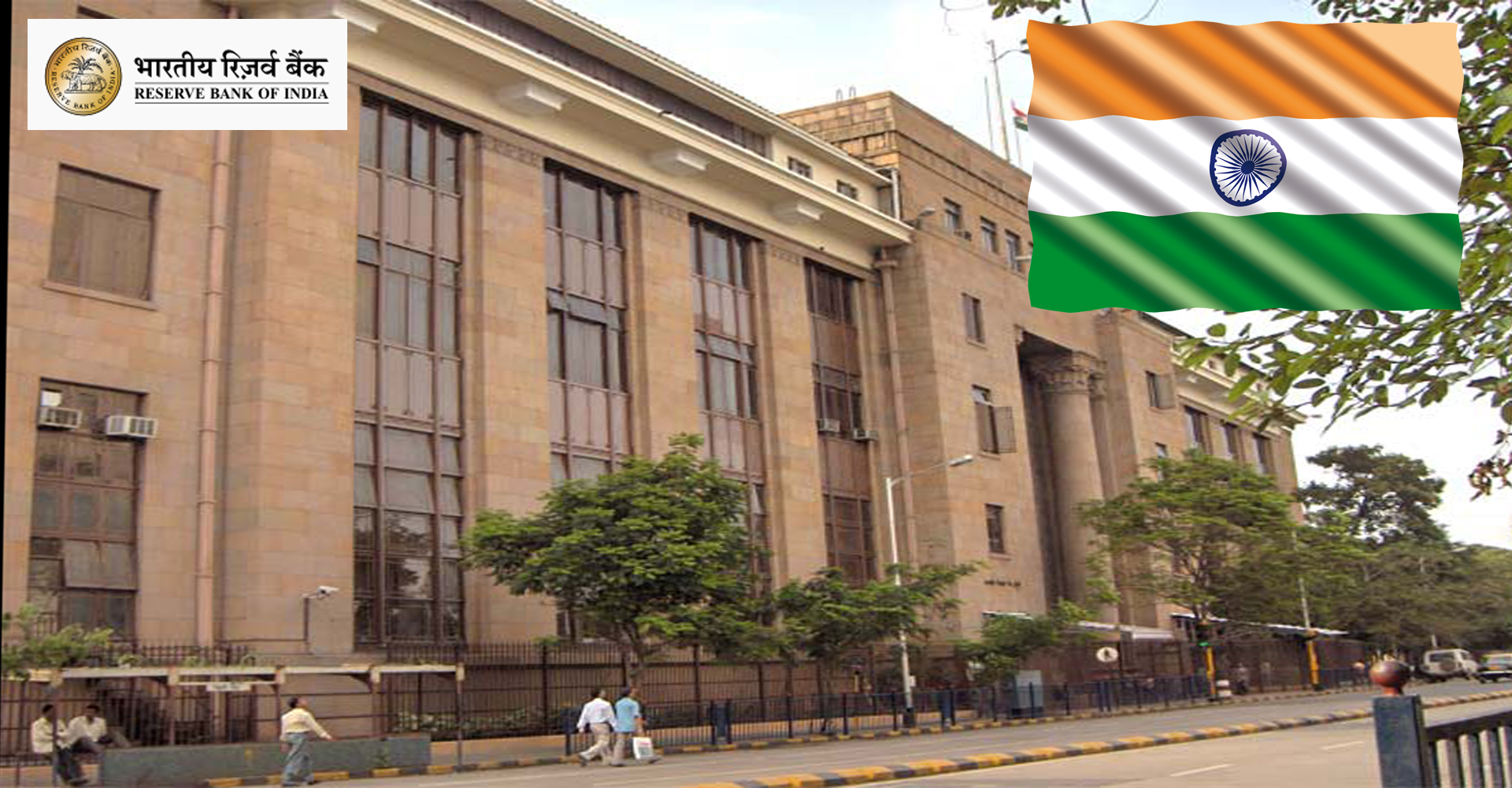
India's central bank is one of several major central banks that have taken action against possible Western sanctions.
TopPhoto: Pixabay/theContrapart
Text: Stein Olav Krosby
Date: 17 August 2026
Translated from Norwegian with the help of AI · Read the original
The freezing of the Russian central bank's currency reserves and its exclusion from the international messaging system SWIFT in 2022 have frightened a number of countries into changing their routines. Who knows what the future may bring, and when countries such as the US or the leadership in Brussels suddenly decide to seize your bank deposit, it may be too late. That is why many central banks are already taking action now.
Measurable change
This has triggered a lasting change in how states assess their financial security. In its report Dollar Dominance Monitor, the think tank Atlantic Council documents that countries around the world are now establishing direct trade agreements in local currencies to reduce their dependence on the Western-dominated financial system.
In the West it is taken for granted that everyone on earth understands that Russia was thrown out of Swift because they are objectively evil and expansionist. But that is not so. India was never a Russian colony. It was an English colony. A number of African countries also remember with horror countries such as Belgium, which killed on a massive scale to get hold of raw materials. Russia did not have a single colony in Africa.
India on the list
Investing News Network highlights India, Kenya and Malaysia as countries that have entered into agreements to trade in local currencies. Within the BRICS cooperation, it is the renminbi that dominates internal trade between the member countries, according to Atlantic Council's Dollar Dominance Monitor. At the same time, a multi-state digital payment system called mBridge is under development under the auspices of the Bank for International Settlements (BIS), with the central banks of China, Hong Kong, Thailand, the United Arab Emirates and Saudi Arabia as participants.
Clear goals
The New Development Bank, which was set up by the BRICS countries as an alternative to the World Bank, has set a target of 30 per cent of its lending being made in the borrowing countries' own currencies by 2026, according to an article in the academic journal Journal of International Economic Law at Oxford University. In addition, several BRICS countries have entered into bilateral currency swap agreements between their central banks, making it possible to settle trade directly in the countries' own currencies without going via the dollar.
Western inflation
Security-policy and financial sovereignty are central to the assessments made by central banks outside the West. Zoltan Pozsar, a former strategist at the Federal Reserve and Credit Suisse, described this development in an analysis note as the beginning of a new world monetary order. “We are witnessing the birth of Bretton Woods III, a new international monetary order centred on commodity-based currencies in the East that will weaken the dollar-dominated system and contribute to Western inflation”, Pozsar said in an analysis published by Credit Suisse.
Main pageIndia and most countries in Africa are far more fearful of what the West might get up to than of Russia. Most believe Russia would not have taken Rome, Madrid, Paris or Berlin – even though all those countries laid down their weapons voluntarily.
Well documented
The weakening of the US dollar's position is also evident from official international data. In its research report The Stealth Erosion of Dollar Dominance, the International Monetary Fund (IMF) documents that the share of the US dollar in global central bank reserves has fallen steadily over recent decades, while holdings of alternative currencies and gold have grown correspondingly.
BRICS
Alongside the weakening of the traditional reserve currencies, an institutional alternative has emerged. The intergovernmental organisation BRICS, made up of China, Russia, India, Brazil, South Africa and several new member countries, has set up its own infrastructure tools to secure independent transactions. Central to this build-up is the mBridge project. It is a technological framework for direct settlement in digital central bank currencies that bypasses Western correspondent banks entirely.
The numbers speak
Transaction volume has risen sharply. According to figures from Atlantic Council, reported by Reuters and the news service PYMNTS in January 2026, the platform had by then processed more than 4,000 transactions with a combined value of around 55.5 billion dollars, an increase of roughly 2,500 times from the pilot phase in 2022, when the volume was just 22 million dollars. China's digital yuan, e-CNY, is said, according to the same sources, to account for around 95 per cent of the settlement volume on the platform. In June 2026 the news service GNCrypto reported that China plans to commercialise mBridge through an entity in Hong Kong in order to expand the international use of the digital yuan, with the accumulated volume at that point stated as around 470 billion yuan, equivalent to about 69 billion dollars.
Threats
The threat of politically driven sanctions is cited as the primary reason sovereign states choose to reorganise their financial structures. Goolam Ballim, chief economist at the South African bank Standard Bank, said at a finance seminar on the economic impact of the organisation's expansion that the motivation is about pure risk management. “Establishing alternative settlement channels within BRICS is not an ideological crusade against the West, but a pragmatic insurance policy to protect national economies against unilateral sanctions and political overreach from abroad”, Ballim said during the presentation of the bank's economic outlook.
Fragmentation
The financial fragmentation also has direct consequences for smaller, open economies in Europe. In its monetary policy reports, Norges Bank stresses that the Norwegian krone and an independent central bank act as a necessary shock absorber for the Norwegian economy against international shocks and shifts in the world economy.
MOTPARTEN
The other side of the story. An independent newspaper from Norway.
Contact
- Newsroomredaksjon@motparten.no
- Advertisingannonser@motparten.no
- General enquiriespost@motparten.no
Address
Motparten.noElevine Heedes vei 2
4839 Arendal
Norway Editor-in-chiefJesper Enerstvedt