The Law of Jante still applies in Norway
You shall not think you are anything
Norwegians' behaviour is sour and self-effacing. Most Norwegians don't like people standing out. To foreign observers, Norwegians are the world's least individualistic people. Despite multicultural influence, the Law of Jante remains strong in Norwegian culture.
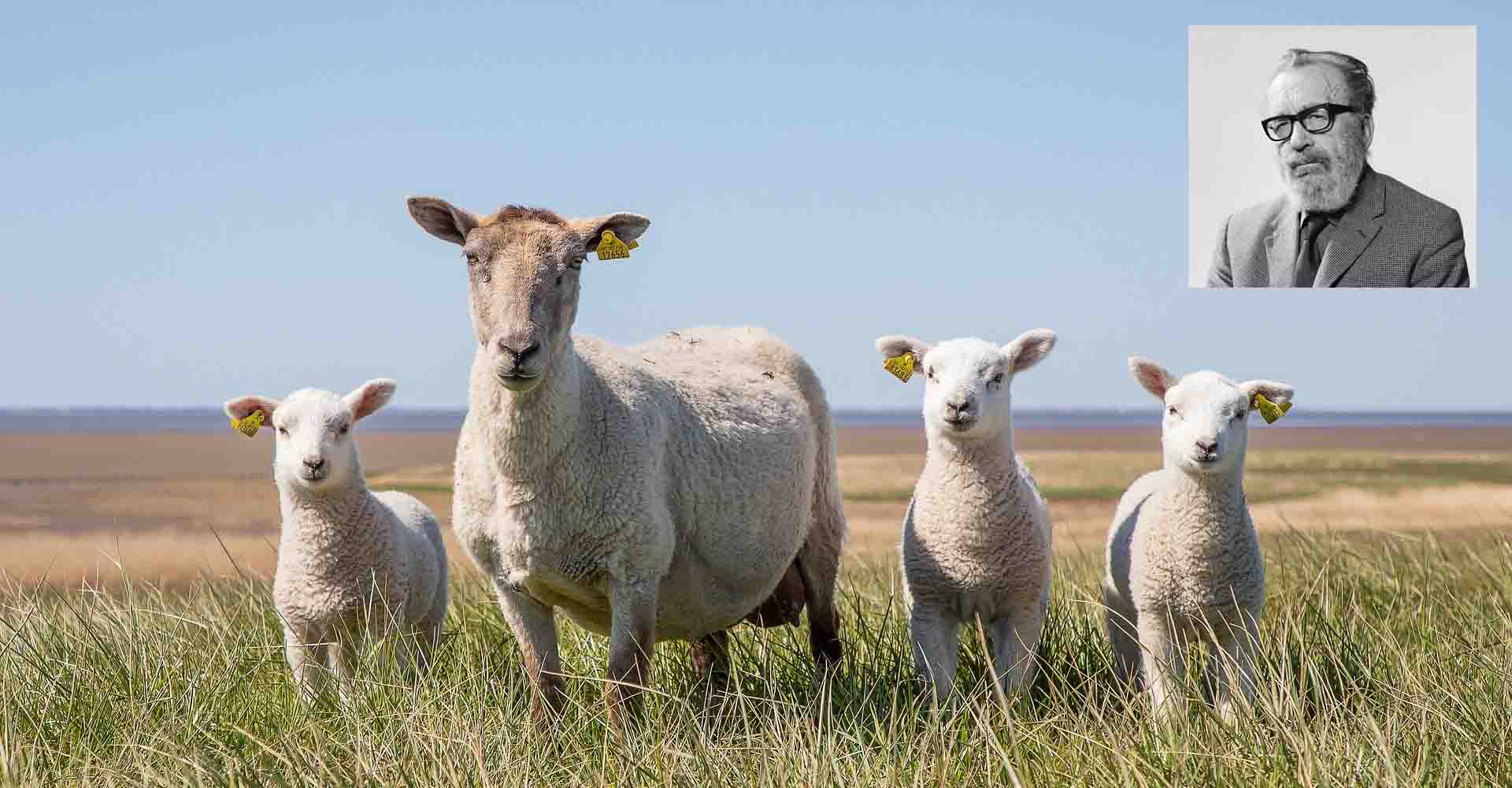
Even people with multicultural backgrounds soon turn into bleating sheep who don't want to stand out, after just a few years in Norway. In that respect, integration policy is a success.
TopPhoto: Pixabay/motparten
Text: Elisabeth Dahlberg
Date: 27 September 2026
Translated from Norwegian with the help of AI · Read the original
The Law of Jante is really just an unwritten rule saying that you must not think you are anything special. You must not stick your neck out, not boast, not think you are smarter or better than the others. It is about everyone being equal and about it being embarrassing to rise above the community. In short: know your place, don't be better than your neighbour, and don't pretend you are something. It is typically Norwegian mentality to keep people in their place.
The Law of Jante
Most people in Norway know Aksel Sandemose's satirical 1933 novel "A Fugitive Crosses His Tracks" well. It is the very origin of the Law of Jante. The story is set in the fictional town of Jante. What made the book famous is that the author set out ten laws meant to put a stop to anyone who thought they were something. It is now almost a hundred years since Sandemose wrote the laws. Yet they are still valid in Norway.
- You shall not think you are anything.
- You shall not think you are as good as us.
- You shall not think you are smarter than us.
- You shall not imagine you are better than us.
- You shall not think you know more than us.
- You shall not think you are more than us.
- You shall not think you are good at anything.
- You shall not laugh at us.
- You shall not think anyone cares about you.
- You shall not think you can teach us anything.
Phoney frauds
To tourists, Norwegians often seem like shifty frauds. They give you a brief smile without saying anything. Many don't smile at all and don't even answer if you ask them something. Many Norwegians create needlessly awkward situations. For example, Norwegians set great store by punctuality. That is fine on paper, but if you arrive late to a birthday or a party, bringing a cake or something else nice to eat, you must expect that the cake or the sweets will not be put on the table. They are to stand untouched in the kitchen as a reminder of the unheard-of offence of arriving late. There will be no extra snacks for the guests.
Like werewolves
In Norway, this bottled-up sour attitude shows itself in many strange ways. Without Norwegians being aware of it themselves, they walk around like walking pressure cookers. These formal, precise people are not National Socialists or Nazis, yet they come out of the woodwork on the national day, 17 May. Then Norwegians are like werewolves at full moon. The pressure cooker has exploded. Now everyone waves their flags furiously. Afterwards they stagger around in a legal drinking orgy where even respectable people spend the night in bushes and thickets. On this particular day it is perfectly fine because absolutely EVERYONE does it. So they don't feel they are standing out.
Front pageInstead of the multicultural element softening Norwegians up and making them readier to accept those who are different, it seems the new countrymen are highly susceptible to the Law of Jante. It is contagious! Perhaps the time has come for an extra item in the Norwegian-language classes: "How to keep an open".
Protest marches
What many Norwegians don't think about is that in other countries, including in Scandinavia, there are no protest marches on the national day. Sweden and Denmark have national days too, but they don't march the way Norwegians do. Here there is an important nuance. Norwegians just call it a "parade". But to everyone else in the world it looks exactly like a menacing political protest march. The fact is that many foreigners become anxious when they see the march. They fear that police and tear gas are just around the corner.
Rage
Culture Minister Lubna Jaffery has said that she would not be where she is today if she had followed the Norwegian Law of Jante. She links the phenomenon to Norwegian Lutheran tradition and says it keeps people humble but stops them from showing what they are good at. The photographer Morten Andenæs has pointed out that the Law of Jante creates underlying unease and a lack of drive in Norwegian society. He describes pictures marked by inner rage and forbidden desires.
An obstacle
Store norske leksikon describes the Law of Jante as a cultural phenomenon with roots in Scandinavian social life, where the collective is put before the individual. Success can lead to social sanctions rather than recognition. A study from BI Norwegian Business School shows that Norwegian entrepreneurs experience the Law of Jante as an obstacle to entrepreneurship. One of the entrepreneurs interviewed said that those who try and fail in Norway are both criticised and ridiculed.
In 2026 it is still the case that in many parts of Norway people do not answer if a "southerner" or a "foreigner" tries to speak to them. In many places people avoid eye contact. It is as if the person asking is invisible.
Shall suffer
In her 2021 book "You Shall Suffer for the Community", the author Miriam Ekelund argues that the Law of Jante still keeps a clammy hand over Norwegians. She believes it has followed society from frugality to abundance. Her arguments are backed by a lot of research. The researchers Gayle R. Avant and Karen Patrick Knutsen published the article "Understanding Cultural Differences: Janteloven and Social Conformity in Norway" in the journal ETC: A Review of General Semantics. They too describe the Law of Jante as a distinctly Norwegian mentality. Pull yourselves together!
Follow Motparten. Every weekend Motparten presents offbeat stories from both Norway and abroad.
MOTPARTEN
The other side of the story. An independent newspaper from Norway.
Contact
- Newsroomredaksjon@motparten.no
- Advertisingannonser@motparten.no
- General enquiriespost@motparten.no
Address
Motparten.noElevine Heedes vei 2
4839 Arendal
Norway Editor-in-chiefJesper Enerstvedt