The Oxford museum holds the world's largest collection of artefacts from Nagaland in India. The problem is that many of the items are stolen goods, taken by British troops during the colonial era. Now a pile of skulls is being handed back.
There will surely be a celebration in the Dzukou Valley in Manipur-Nagaland when the skulls come home.
Recently, no fewer than thirty Indians from the Naga region visited the United Kingdom. They were there to ask Oxford University's Pitt Rivers Museum to return the skull relics, a request the museum chose to grant. Museum director Laura Van Broekhoven even described the return of the skulls as "a historic moment that can be passed on to future generations".
They took their enemies' skulls
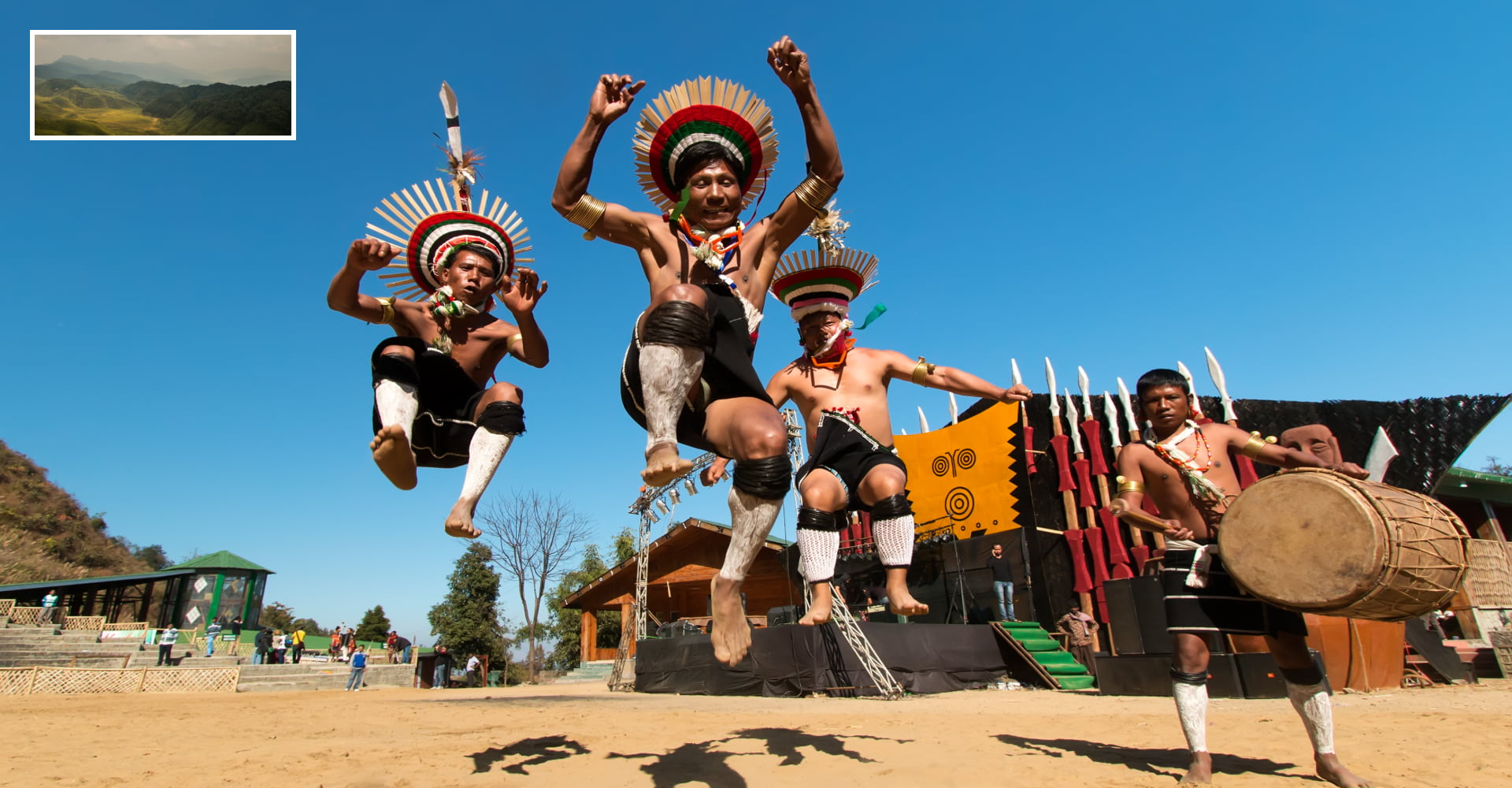
Nagaland is a hill state in north-eastern India. It has a fascinating history. One of the bloodier details is the tradition of keeping slain enemies' skulls in the villages. Skulls were important to many villages in this district. They also kept the skulls of their own people. The fact that the skulls were seized in the first place by British military troops was traumatic. Getting them back carries great symbolic significance.
Decolonisation
It was not merely chance that led representatives of Naga culture to learn that the British still had the skulls. They were, after all, on display at the Oxford museum until they were suddenly removed in 2020. Officially, this was part of the museum's so-called decolonisation process. Instead of ending up in dark drawers and cupboards in the museum's basement, the skulls are now being returned to where they belong – in Nagaland.
To become a memorial
British troops stole the remains of at least 39 people from chiefs' huts in Nagaland. This happened during the colonial era, so it was quite a long time ago. Following a demand from India, the United Kingdom is now returning the somewhat macabre stolen goods. As the skulls finally head home to receive what the locals call "respectful rest", the Indigenous committee plans to place them in a shared memorial in a well-known park in Nagaland. Perhaps there are also other objects in the museum's possession that will soon find their way home to India.
The world's largest
The Pitt Rivers Museum has more than six thousand objects linked to Naga culture. It is regarded as the largest collection in the world. There is little doubt that the vast majority of the objects were acquired under duress during British colonial rule in India. The objects are not gifts. They were not given away or donated by the local population. They are what, in good old novelistic language, is called plundered.
The museum admits on its website that the skulls were confiscated during punitive expeditions and that they were not given voluntarily. That is a slightly more refined way of saying something was stolen without using the word theft. The Naga people call what the British did plain plunder.
Plain theft
In an interview with the news agency AFP, tribal leader Thejao Vihienuo said that "no one would have given the skull of their father or grandfather as a gift to anyone". He is backed by anthropologists, who explain that in the old days the Naga people practised regular headhunting. They were not cannibals who ate their enemies, but they cut off the heads as trophies.
Signed
The Naga anthropologist Dolly Kikon contacted the museum director in 2020, when the museum realised it could no longer keep stolen objects on display. The Forum for Naga Reconciliation (FNR) and the group Recover, Restore and Decolonise (RRaD) then took over the case. They worked with tribal leaders, elders, churches and local communities across Nagaland. In June 2025, a larger delegation finally travelled to Oxford. They saw the skulls with their own eyes and signed the so-called Naga-Oxford Declaration on repatriation.
Plunder
Oxford keeps its paperwork in order. It had logged that the skulls were collected between 1910 and 1940, primarily by British colonial officials. It emerges that the anthropologists John Henry Hutton and James Philip Mills took part in the collecting. The museum's own website admits that objects in this period were confiscated during punitive expeditions. In other words, that they were not given voluntarily. That is a more refined way of saying something was stolen without using the word theft. Among other things, the museum has a letter in which the anthropologist Mills writes that the Pitt Rivers will get fine specimens after the next military action. The Naga people simply call it plunder.
Spiritual healing
Dr Vihuto Asumi, president of the Sumî Hoho, explains that the spirits of the ancestors have had no rest for more than a hundred years. Bringing them home is pure spiritual healing. This applies to friend and foe alike. The Naga people were fair that way. The skulls were sacred, not just war memorials. When British troops took them, it was seen as an assault on both the living and the dead. The return will therefore not only right a historical wrong, but restore dignity.
The first of its kind
This is the first major repatriation of ancestral remains to an Indian Indigenous community from the United Kingdom. The museum has previously returned remains to Indigenous peoples in the US, Australia and New Zealand.