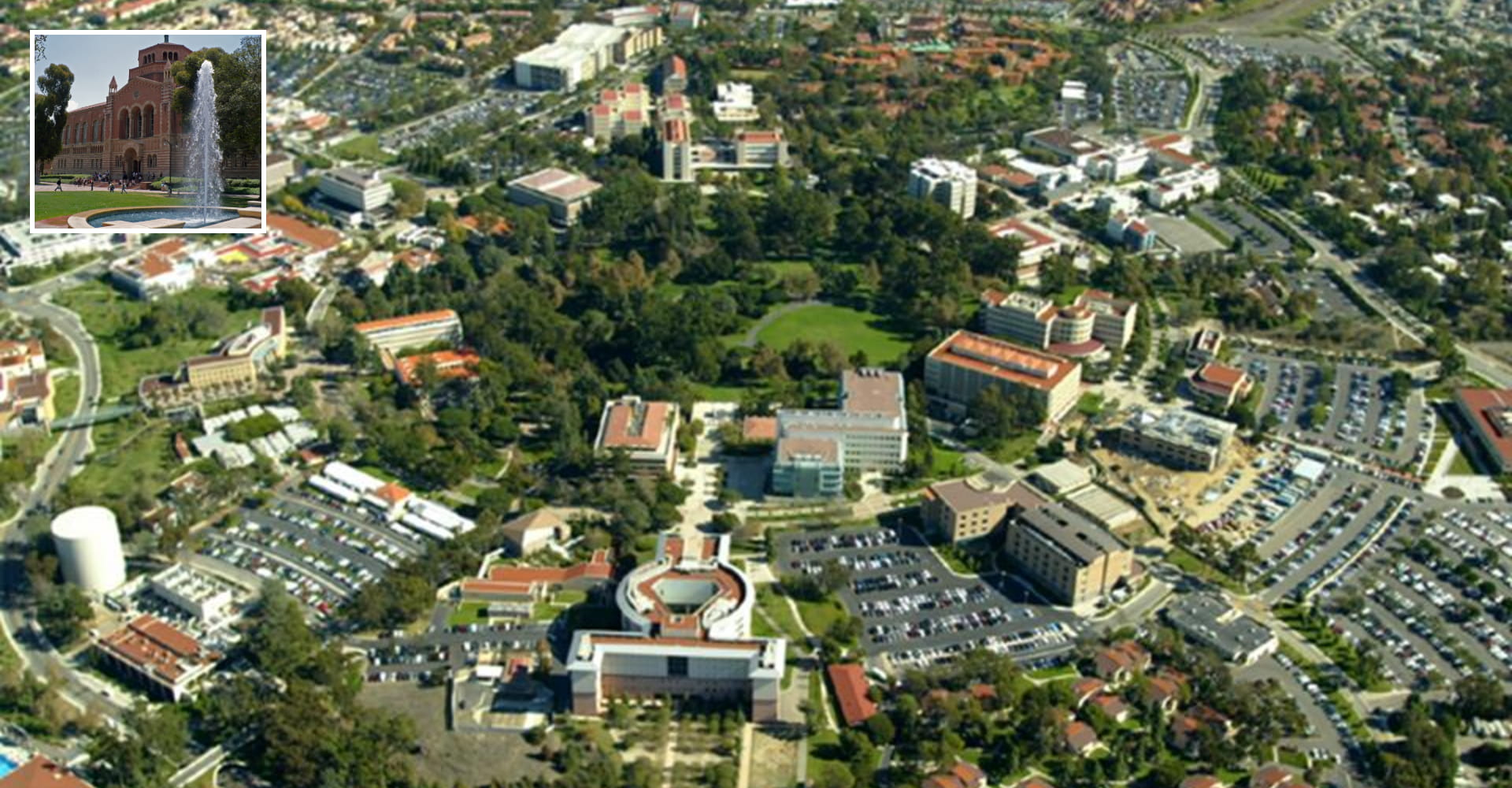
At the University of California in San Francisco, you can hardly say they have been asleep at the wheel. On the contrary, the researchers have discovered a new genetic mutation in some people. The mutation is linked to how long a person sleeps and how much sleep those affected need.
Here at the University of California, the Taiwanese researcher found the sleep gene. It will have great significance for many people.
At the University of California in San Francisco, you can hardly say they have been asleep at the wheel. On the contrary, the researchers have discovered a new genetic mutation in some people. The mutation is linked to how long a person sleeps and how much sleep those affected need.
Waking up rested
The researchers discovered that carriers of this gene need much less sleep than other people. What was previously automatically dismissed as "poor sleep", or as a person being, for example, an "A" person (a morning person), turned out in reality to be governed by a gene. People who carry this gene will wake up rested before others who go to bed at the same time.
Can be detected
For those still rubbing their eyes and thinking they are dreaming: they are not. The gene exists and can even be detected with a simple blood test. Like so much else, the condition is hereditary. We might call it "naturally short sleep", but in scientific terms it has already been christened FNSS.
A positive gene
Molecular biologist Ying-Hui Fu led an experiment in 2019 which found that mice with a related gene slept less but were still protected against memory loss. They were also less likely to develop the mouse equivalent of Alzheimer's. So far, the researchers have found only positive side effects of carrying the gene that means you need little sleep.
A universal law
The realisation that not everyone needs a lot of sleep is very important for how people live. Until now, it has been accepted wisdom that you must have plenty of sleep to function well. Those who sleep little have often sought help and, in more extreme cases, even taken medication to sleep. Now it may turn out that both the worries and the medication were entirely unnecessary.
Professions
The labour market, too, may see the knowledge of the new gene play a major role. In extreme professions, such as astronauts, needing little sleep can be a great advantage. As science advances, the gene can quite probably be put to active use.
The discovery of the new gene is very important for what services are offered, and what rules are set, for carriers of the gene from early childhood. In adulthood the gene can probably be used for something positive. But if family and friends get wind that YOU have the gene, you must expect to be picked for most morning chores.
Children
How parents make sure their children get enough sleep will also need a closer look in time. The researchers have even discovered that identical twins can differ, and know that only one of the twins carries the gene. That twin will then need less sleep, but for parents it will be impossible to know without testing first.'
Sleep is important
The norm is that most people need a lot of sleep. Countless studies show how performance declines when sleep is too irregular over time. One study showed that when sleep was cut to just four hours a night, performance on various cognitive tests got worse. There are therefore many good reasons to make sure you get enough sleep, but for those who carry this gene it must be a real nuisance to be hustled off to bed even though you are wide awake and ready for action!
Delegating work
In the future we will surely be able to have a lot of fun with openness about this gene, too. On a cabin trip, for example, there will be no doubt about who should get up first and light the fire in the fireplace. All in all, many morning shifts and morning chores will, naturally enough, eventually go to those who are wide awake and well rested long before the others.