Today the military exercise for the new European militia, whose main purpose is to move into Ukrainian territory, comes to an end. The exercise is the most dangerous thing Europe's war hawks have done since the war in Ukraine began in 2022.
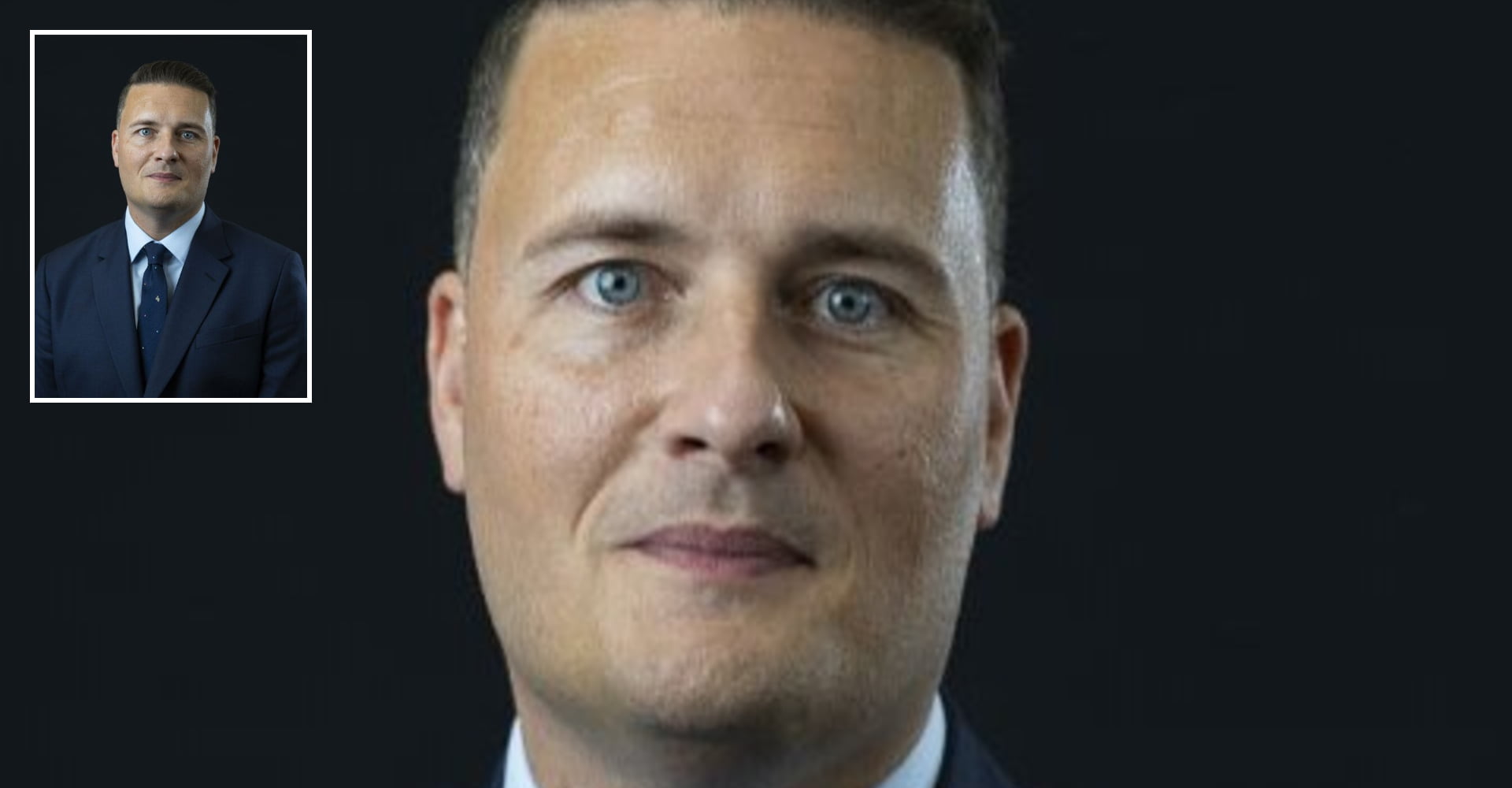
British Defence Secretary Wes Streeting is one of the men behind the new irregular militia training in Poland.
Photo: UK Government /Official_portrait_of_Wes_Streeting
While the world followed the peace talks in Abu Dhabi, the military exercise Koalicja kicked off in Poland on 9 November. Britain, France and Germany have cobbled together a militia-like force whose purpose is to move into Ukraine. The military unit is not led by NATO, the EU or the UN. In other words, we are talking about a new Euro-militia.
Koalicja is not a NATO exercise. It is the so-called "coalition of the willing" that is behind it. The coalition is led by Britain and France. 2,800 soldiers from eleven countries are testing how a multinational force can be quickly moved into Ukraine once the war is over. The new militia's headquarters is in Paris, but is due to be moved to London.
Helping one side
"This is not a hypothetical plan, it is a real force, ready to help Ukraine when the fighting stops," said British Defence Secretary Wes Streeting when the exercise was presented. He did not say "ensure peace", or make sure the parties "stay away from using weapons". That is also the problem. The minister specified "help Ukraine". This is problematic, because peacekeeping forces must never take sides in a war. They are supposed to make sure both parties stay in line.
Must be neutral
Any peacekeeping force would necessarily have to operate in both Russian-controlled and Ukrainian-controlled areas. It cannot have as its mantra that it is there to help one side in the conflict. Perhaps it could have worked as an international force if the soldiers were from India and wore turbans, or came from Brazil. Even a UN force in the easily recognisable light-blue UN colours would be far better than the force Europe has now put together. It actually resembles a militia of the kind we are used to from the Middle East or from Asian countries such as Myanmar.
No mandate
It is no secret why the force is not a NATO operation. In NATO, Hungary and Slovakia would have used their veto. In the EU, unanimity is required. In the UN Security Council, Russia's veto lies waiting. The solution was to step outside every institution that exists to legitimise military power – and create a militia. The force is built on a "declaration of intent" signed by Zelensky, Macron and Starmer in Paris on 6 January this year. Not a mandate. An intention.
It could have worked with an international force if the soldiers were from India or Brazil. Even a UN force in the easily recognisable light-blue UN colours would be better than the biased militia Europe has now put together. It is as if Russia had proposed Chinese peacekeepers.
Disguise
The soldiers are NATO soldiers. The equipment is NATO's. The doctrine is NATO's. Only the flag is missing. No one in the Kremlin is in any doubt about what they are watching move in Poland. Moscow's response also came very quickly. Foreign Ministry spokeswoman Maria Zakharova called the deployment unacceptable and a "de facto military intervention". She stressed that such "units" would be regarded as legitimate targets for Russian forces. She might just as well have said "militia".
Must be neutral
The European countries behind the militia may have pushed themselves even further away from the negotiating table with this aggressive and exceedingly ill-considered plan. The point of peace negotiations is to calm the parties down – not to add more soldiers and draw even more countries militarily into the conflict. It is extremely important that any peacekeeping soldiers have a credibly neutral role, credible to both parties – not just one.
Bad timing
The new militia could not have started its exercise at a worse time. The exercise began on 9 November. The following day Ukraine, Russia and the USA were to meet for peace talks in Abu Dhabi. While American and Russian diplomats negotiated peace, thousands of European militia soldiers rehearsed the logistics needed to occupy Ukraine. Even though Russia has made it clear that an explicit ban on Western forces on Ukrainian soil is a precondition for any peace agreement, the new Euro-militia has begun rehearsing an invasion. Europe is practising a manoeuvre that, in the worst case, means world war.
Poland and the USA don't want to
Even the host country does not want to own the risk. Poland is exercising together with the new militia, but has itself declared that Polish soldiers will never set foot in Ukraine. The USA is not contributing at all. Analysts at CSIS in Washington point out that without American backing the force in practice becomes an Article 5 situation without Article 5. A force without an institution is a force without accountability. If a British militia soldier is hit by a Russian drone on Ukrainian soil. Who is responsible then? Which court passes judgment? Which mandate was broken? The coalition of the willing has bypassed everyone who could have said no. That leaves the question. Who can say stop before it becomes world war?